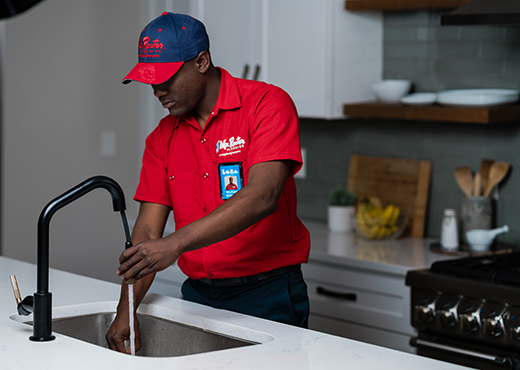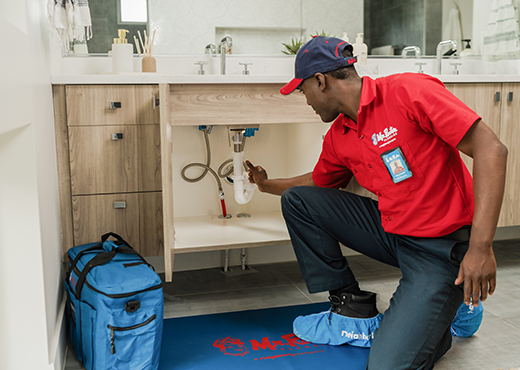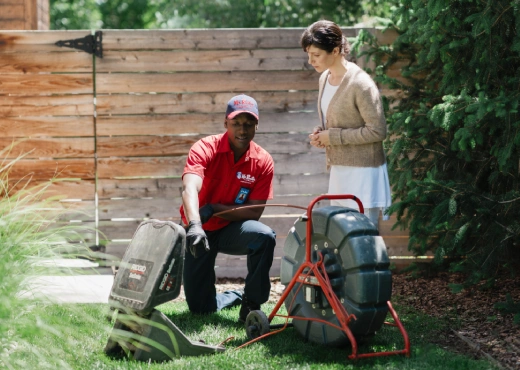
Alberta's plumbing code no longer permits polybutylene plumbing in new construction, and the Safety Codes Act governs how any Poly B pipe replacement in Edmonton gets inspected and signed off. Alberta doesn't have a formal Master Plumber designation the way some provinces do. However, our journeyman-licensed plumbers still follow the same Safety Codes Act permit and inspection process as every certified contractor in the city. Copper and PEX are the two materials we install once the grey Poly-B piping comes out, and both carry Canadian Standards Association certification for water lines used in residential plumbing.
Copper piping has decades of track record in Canadian homes. It resists corrosion, handles high water pressure and high temperatures without softening, and its natural antimicrobial surface reduces bacterial buildup inside the pipe. The trade-off is cost and labour time. Copper fittings need to be cut, fluxed, and soldered at every joint, which adds hours to a whole-home repipe compared to PEX.
PEX piping, cross-linked polyethylene, has become the default choice for most Poly-B replacement jobs we run in Edmonton. PEX Class A tubing resists cracking and bursting through the freeze-thaw cycles that damage rigid pipe, bends around obstacles without extra fittings, and installs faster since it skips the soldering step entirely. Brass or copper crimp fittings connect each run, and the finished plumbing lines are pressure-tested the same way a copper system would be.
Insurance companies play a major role in this decision. Several Canadian insurers have scaled back coverage or added exclusions for homes with known Poly B piping, and water damage claims tied to a Poly B failure can trigger insurance complications that go well beyond the cost of the pipe itself. Mold growth and mildew growth behind a wall from a slow pinhole leak often costs more to remediate than the repipe would have. Home inspectors routinely flag grey or black polybutylene water lines. In Edmonton's resale market, that flag can stall a sale or push insurance premiums higher for the new owner until the piping is replaced.
For homeowners weighing insurance requirements against the cost of a repipe, the math usually favours doing the work proactively, before a leak forces the issue. A planned Poly B pipe replacement lets us test the system, patch drywall neatly, and hand back a plumbing system built on materials the Alberta plumbing code actually allows, well before water damage reclamation becomes necessary. Hot water plumbing systems take the brunt of the stress because Poly B softens faster on the hot side of the system, so a repipe usually starts at the hot water tank and works outward from there.