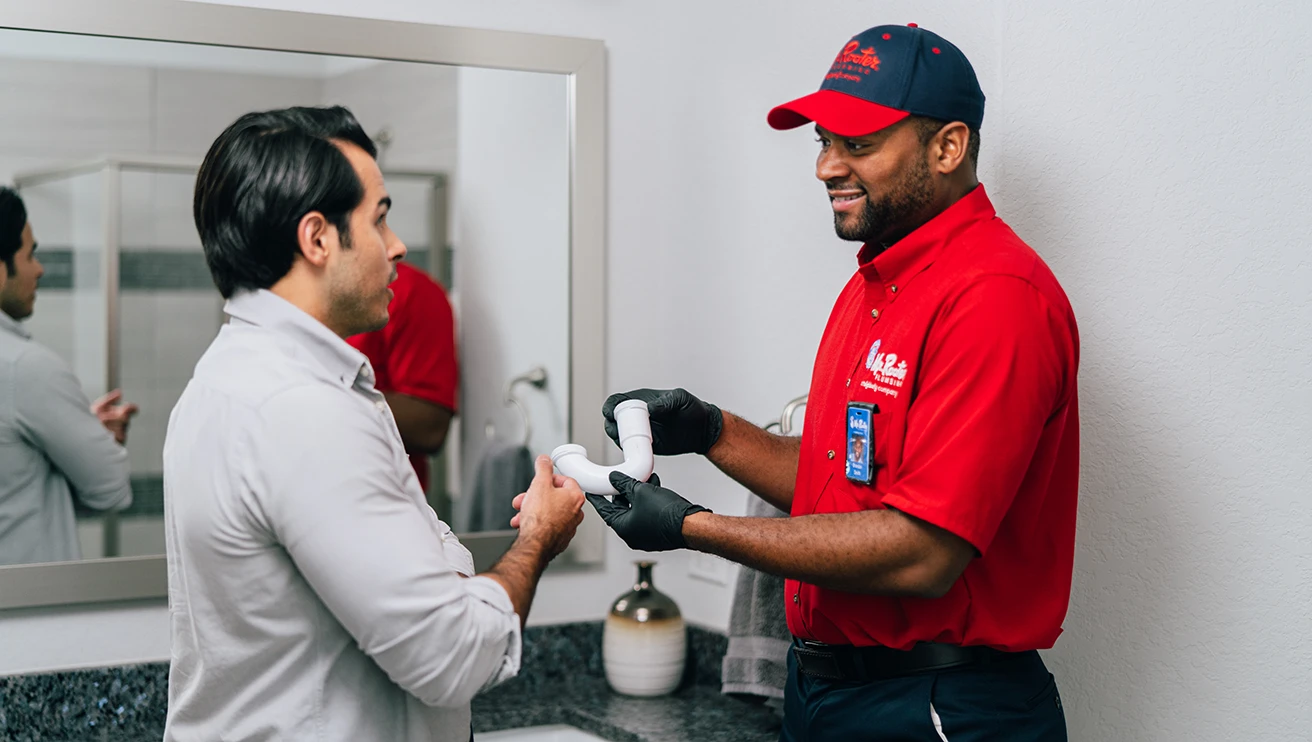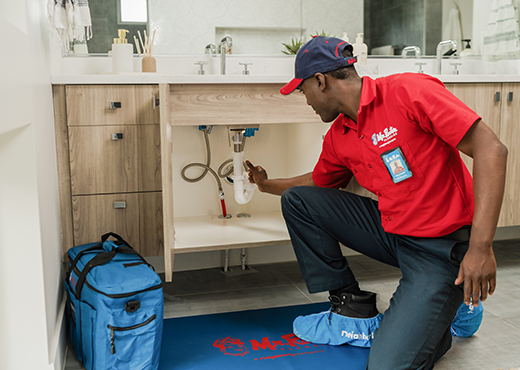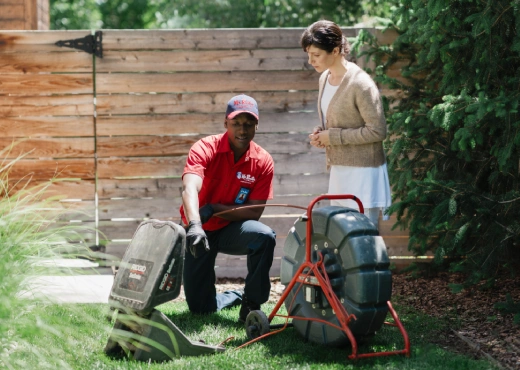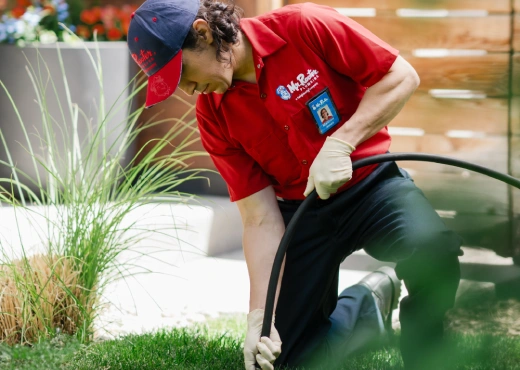
- Drain Inspections: Most plumbing experts start every service with a thorough analysis of your entire system. This might include a video inspection using specialized cameras, and it might involve other methods to test for more serious problems. The goal of this step is to evaluate your sewer lines for potential problems, existing damage, and any other weaknesses. Drain inspections are often the first step in Woodbridge drain repair because identifying the true problem is essential for finding a proper solution.
- Augers: Augers are stronger tools than plungers that are specifically designed for use in the plumbing industry. They're capable of reaching deep inside pipes and removing even the most stubborn clogs. If an auger isn’t able to remove a deep clog, more intensive tools may be used.
- Hydro Jetting: Hydro jet technology uses pressurized water to blast away grime. This equipment is even powerful enough to take care of tree root removal. Its potent power leaves results that are far superior to what other methods accomplish and will prevent future buildup. Depending on the state of your system, this might be the best option for you.
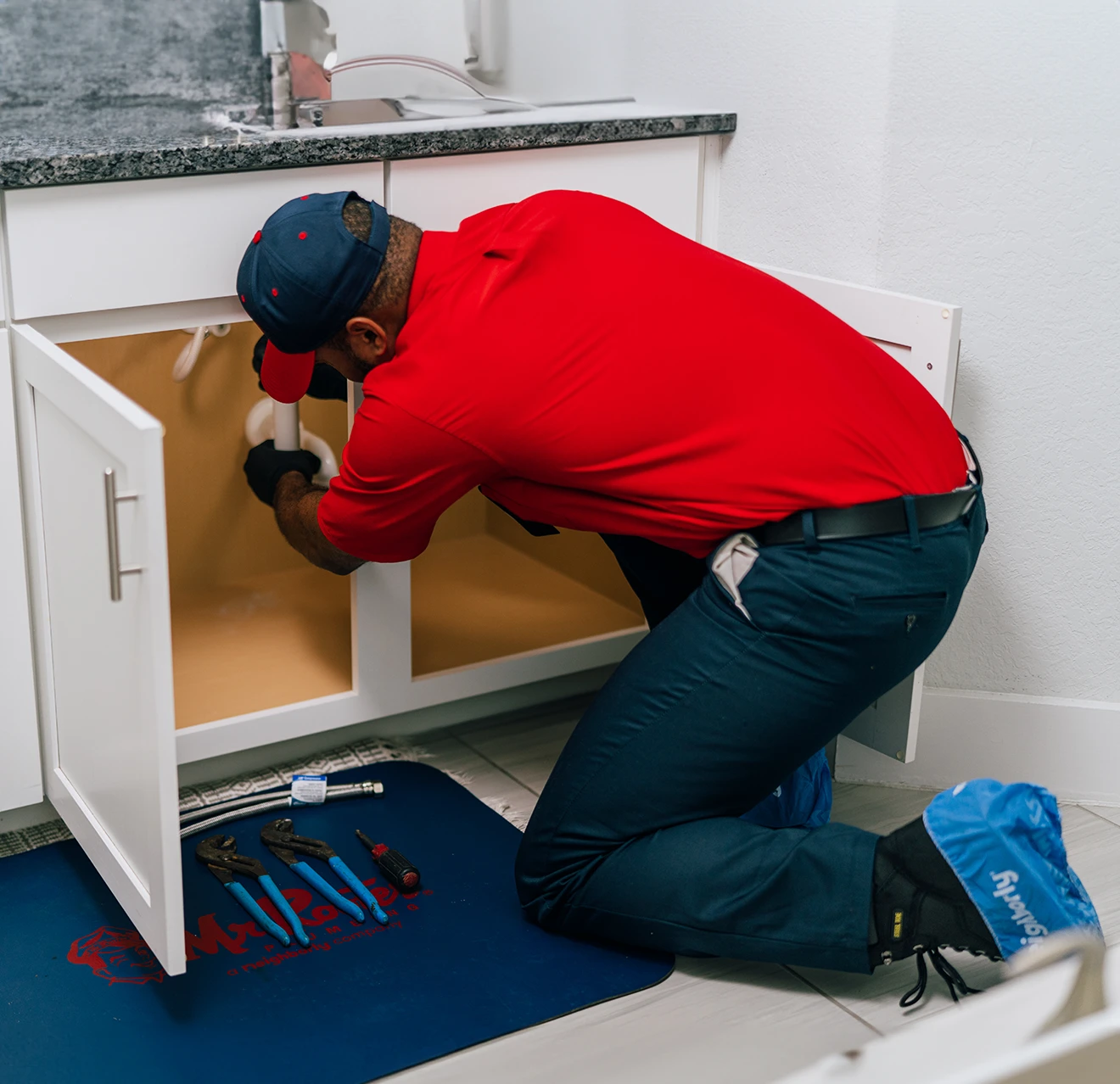
Woodbridge drain repair services can also involve replacing the pipes themselves or fixing pipe joints that are leaking or causing problems. Our experienced plumbers have lots of experience with emergency repairs—and lots of satisfied customers. If you’re curious about what tools your expert plumber will be using, feel free to ask them directly; different scenarios need different fixes and your plumber will know best.
Causes of Woodbridge Drain Problems
With many different things affecting your drains in different ways, identifying the root cause can be difficult and not always as simple as a flushed toothbrush. That’s why our experts use drain camera inspection to make sure we identify the root cause of any drain issues.
If you have been dealing with a reoccurring clog, you may want to look at what has been going into your drain. Blockages can be caused by particular items (hard blockages) or build-up over time (soft blockages). Certain materials such as fats, oils, and grease are the leading causes of soft blockages as they attract grime and other food substances, eventually forming a clog. A toilet drain is only meant to handle wastewater, human waste, and a moderate amount of toilet paper. Even with exemplary drain monitoring, clogs and slow draining can still arise and require drain cleaning.
Common Causes:
- Paper Towels, Tissues, and Wet Wipes—Even “Flushable” Wipes: A toilet is only designed to handle reasonable amounts of toilet paper, water, and waste. Anything else can easily clog the drains with blockages.
- Shifting Earth/Landscaping: As pipes are underground, any changes to the land around them can cause damage. This is something that’s difficult to predict, but we recommend opting for higher quality material for piping if you suspect you’re at high risk for land shifting.
- Tree Roots: Tree roots are attracted to water. Damaged, leaking pipes can attract roots towards them. Eventually, these roots will find their way into the pipe and cause blockages or further damage.
- Fats, Oils, and Grease: These three substances are notorious for causing plumbing problems. They have even been given their own acronym, FOG. Keeping FOG from going down your drain will have the biggest impact on keeping your sewer drain healthy, and free from a blocked drain.
- Dental Floss: Dental floss can have the same effect as hair if flushed down the toilet or drain and should be left in the trash.
- Hair: If you’ve ever used a drain snake in your shower, you know what an impact hair can have on a drain. If left untreated, hair clogs can cause blockages further down pipes and require deep cleaning from a plumber.
- Personal Health Products: Any product that isn’t toilet paper or human waste will cause problems down the road. We recommend putting a trash can next to the toilet to ensure these products don’t end up flushed.