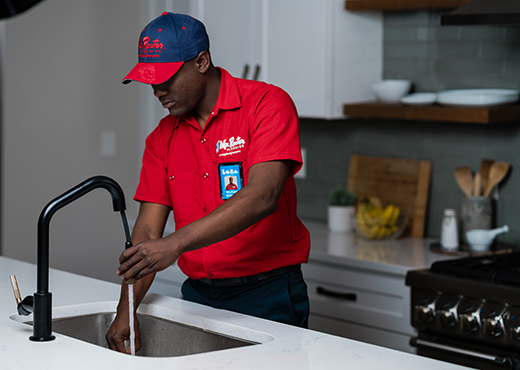
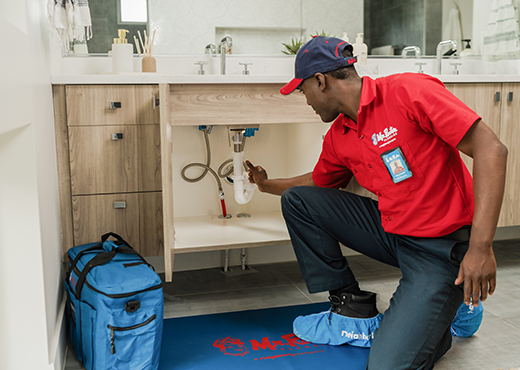
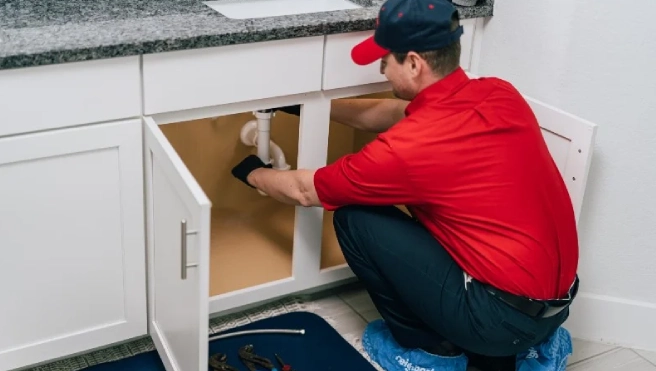
Plumbing problems do not wait for a convenient time. A slow drain can lead to a backup. A small leak becomes water damage. A failing water heater leaves your family without hot showers. When you face a plumbing issue, you want a professional who understands what is happening. Not surface symptoms, but the root cause. Someone who knows how to fix it so the problem does not come back. Here is what we do:
Drain Cleaning and Clog Removal
A clog is rarely about what went down the drain yesterday. The problem is years of buildup that have reached a tipping point. When we run a video camera through drain lines in older Thornhill homes, here is what we see. Decades of soap scum, grease, and mineral scale coat the inside of cast-iron pipes, narrowing a four-inch drain line to two inches or less. In homes with mature trees, especially silver maples and willows common in Thornhill yards, we find hair-thin roots working their way into clay or cast-iron sewer laterals through the joints. Those roots act like a net catching everything flowing past. We also see bellies in sewer lines. Sagging sections where waste and paper collect because the pipe no longer has the proper slope.
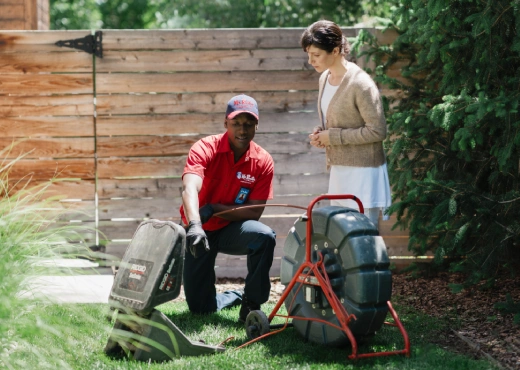
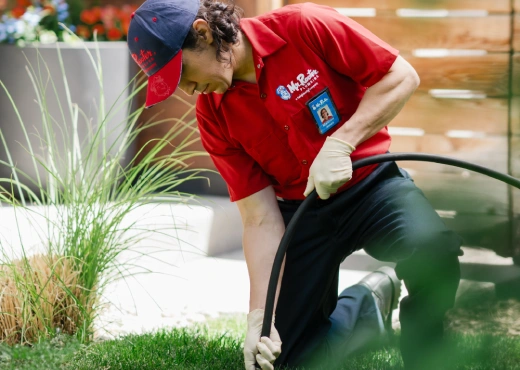
Our drain cleaning services start with a video camera inspection. You see exactly what we see. The clog, the condition of the pipe, and whether there is a bigger issue downstream. Then we choose the right tool for the job. To remove grease and scale buildup, HydroScrub® Jetting uses high-pressure water, typically 3,000 to 4,000 PSI, to scour the pipe walls clean. For root intrusions, we use a cutting blade to clear the roots, then follow up with jetting to flush out the debris. If the camera shows a cracked, collapsed, or severely corroded pipe, we tell you that cleaning will not fix the problem. You need a repair or replacement. We explain your options, so you make the right call for your home and budget.
Sewer Line Repair and Replacement
If you experience sewer backups, multiple slow drains throughout your home, or sewage odours in your yard, your main sewer line is damaged, collapsed, or severely blocked. Here is how we figure out what is going on: if only one fixture is slow, such as the kitchen sink, the problem is usually a branch-line issue. If flushing the upstairs toilet causes the basement floor drain to gurgle or back up, or if running the washing machine causes the basement shower to fill with water, the main sewer line is compromised. The waste has nowhere to go. The system finds the lowest point in your home.
In Thornhill, we see this most often in homes built before 1980. Many properties have clay tile sewer laterals installed in sections with fitted joints. Over decades, ground movement during freeze-thaw cycles causes those joints to separate. Tree roots, especially from the silver maples and willows lining many Thornhill streets, seek out the moisture in those cracks and grow into the pipe.
Once we identify the problem with a video camera inspection, we discuss your options. If the damage is localized to one section, say a ten-foot span where roots have cracked the pipe, trenchless sewer repair is the right choice. We dig a small access point, pull a new liner through the damaged section, and cure the liner in place. If the entire line is failing, showing multiple cracks, severe corrosion, or a collapsed pipe in several spots, trenchless sewer line replacement makes more sense. We install a brand-new, seamless pipe, usually made of high-density polyethylene or PVC, that is root-resistant and built to last 50 years or more.
Water Heater Repair and Replacement
When your water heater stops working, you notice immediately. In Thornhill, we see water heaters fail earlier than the typical 8- to 12-year lifespan. Hard water is usually the reason. Calcium and magnesium constantly settle at the bottom of your tank. Over time, the sediment layer gets thicker. The sediment acts like an insulating blanket between the burner and the water. Your water heater has to work harder and run longer to heat the same amount of water. The extra strain wears out the heating elements on electric models or the burner assembly on gas models. The sediment also traps moisture against the steel tank, accelerating corrosion. We have opened up water heaters in Thornhill homes and found six inches of rock-hard sediment at the bottom. At this point, the tank is usually too far gone to save.
Here is how we decide whether to repair or replace: if your water heater is under six years old, the tank is not leaking, and the problem is a failed thermostat, heating element, or gas valve, a repair usually makes sense. If the unit is over ten years old, shows rust-coloured water, makes loud popping or rumbling noises, emits the sound of sediment being heated and shifted, or you see moisture or corrosion around the base, you need a replacement. Trying to repair an old, corroded tank often buys you a few months at best. Then you pay for another service call.
When we install a new water heater, we help you choose the right size and type for your household. We also recommend installing a water softener or a sediment filter if you do not already have one. Protecting your new water heater from Thornhill's hard water can add years to its life. We handle electric water heater repair and installation, gas water heater service, and tankless water heater installation, with all required permits and inspections. The job is done safely and up to code.
Leak Detection and Pipe Repair
A hidden leak wastes thousands of litres of water and causes serious structural damage before you know the leak is there. You might notice a spike in your water bill, damp spots on walls or ceilings, running water when no fixtures are in use, or a drop in water pressure. Our Thornhill plumbers use advanced leak detection methods to pinpoint the exact location of the leak, even if it's behind a wall or under a slab. Whether the problem is a pinhole leak in a copper pipe, a corroded section of galvanized steel, or a cracked fitting, we fix the leak right and restore your peace of mind.
Backwater Valve Installation
If you have experienced a sewer backup in your basement, or if you want to prevent one, a backwater valve installation is one of the most effective protections you can have. Here is how the valve works. A backwater valve is installed in your main sewer line, usually in the basement floor near where the line exits your home. When your toilets flush, your sinks drain, and your washing machine empties, wastewater flows out, and the flap swings open to let the water pass. During a heavy rain event, if the municipal sewer system becomes overloaded and pressure builds up in the line, pressure tries to push wastewater back toward your home. The backwater valve flap closes automatically, blocking the reverse flow and keeping sewage out of your basement.
We have seen this valve save Thornhill homeowners from disaster. During a July 2024 storm that dropped over 100 mm of rain in a few hours, we received calls from dozens of homes with flooded basements. However, the homes that had backwater valves installed? Dry basements. The valve did exactly what the valve was designed to do. A backwater valve only works if you maintain it. We recommend having the valve inspected and cleaned at least once a year, ideally in the spring before storm season.
Frozen Pipe Prevention and Thawing
Ontario winters are hard on plumbing. Thornhill freeze-thaw cycles make the problem worse. Here is what happens: temperatures drop to -15°C or -20°C overnight, then climb back above freezing during the day. Any pipe not properly insulated or protected is at risk.
The first sign of a freeze is usually no water at one fixture, or a thin trickle when you expect full flow. If you catch the freeze at this stage, call our plumbers in Thornhill; there is a good chance the pipe has not burst yet. We use safe thawing methods: heat tape, warm air, or hydronic heating, to gradually thaw the ice without damaging the pipe. What you should NOT do: never use a propane torch, open flame, or high-heat source on a frozen pipe. We have seen homeowners crack copper pipes, melt PEX, and even start small fires trying to thaw pipes too aggressively. Also, do not assume the problem is solved once water flows again. We inspect the thawed section for cracks, bulges, or weak spots. A pipe freezing once is now more vulnerable to bursting the next time temperatures drop.
Sump Pump Installation and Repair
If you have a basement, a working sump pump is your first line of defence against flooding. The sump pump sits in a pit at the lowest point of your basement and automatically pumps out water accumulating from groundwater, heavy rain, or snowmelt. If your sump pump fails during a storm, or if you do not have one installed, you risk significant water damage and mould growth. We install new sump pumps, repair existing systems, and recommend battery backup systems so your pump continues to run even during a power outage.
Fixture Repair and Replacement
Dripping faucets, running toilets, and leaking fixtures are not annoying: they waste water and drive up your utility bills. A toilet running constantly wastes hundreds of litres per day. A dripping faucet might seem minor, but over time, the waste adds up. We repair and replace faucets, toilets, sinks, showers, and tubs with quality fixtures working reliably and look great. If you are upgrading your bathroom or kitchen, we handle the plumbing installation to make sure everything is connected properly and meets code.
Video Camera Inspection
Sometimes the best way to diagnose a plumbing problem is to see the problem with your own eyes. Our video camera inspection service uses a high-resolution camera mounted on a flexible cable travelling through your drain and sewer lines, sending back real-time footage. You and your plumber see exactly what is inside the pipe: whether a clog, a crack, root intrusion, or corrosion. This takes the guesswork out of diagnosis and ensures we recommend the right repair, not a temporary patch.
Water Line Repair and Replacement
Your main water line brings fresh water from the municipal supply into your home. If the line is damaged by corrosion, ground shifting, freezing, or tree root intrusion, you experience low water pressure, discoloured water, or soggy spots in your yard. Our water line repair and replacement services restore reliable water flow to your home using trenchless methods whenever possible, minimizing disruption to your landscaping.
No matter what plumbing challenge you face, our Thornhill plumbing team is ready to help. We offer flexible payment plans and financing options to make larger repairs and replacements more manageable.
Schedule your service today and let us protect your home plumbing system for the long run.
Common Plumbing Issues in Thornhill Homes by Construction Era
Every era of home construction in Thornhill has its own plumbing personality. Knowing what to watch for, based on when your home was built, helps you catch problems early and plan upgrades before they become emergencies.
Homes Built Before 1960 (Heritage Thornhill Area)
If your home is in the older parts of Thornhill near Yonge Street, you have galvanized steel supply pipes and cast iron drain lines. Galvanized pipes corrode from the inside out. After 60 to 70 years, they often have a significant buildup restricting water flow. You’ll notice low pressure and discoloured water when you first turn on a tap, and, eventually, pinhole leaks. Cast-iron drains are durable, but they can corrode. We often find sections that are rusted through or have developed cracks. These homes also have older clay tile sewer laterals vulnerable to root intrusion and ground movement.
Homes Built 1960s to 1980s (Established Neighbourhoods)
This is the most common era of construction in Thornhill. These homes typically have copper supply lines and cast iron or ABS plastic drain lines. Copper is durable, but in areas with acidic or aggressive water, pinhole leaks develop, usually in horizontal runs where water sits. Cast-iron drains from this period are reaching the end of their lifespan, and we see frequent backups caused by corrosion and root intrusion in the sewer lateral. Many of these homes also have older water heaters, furnaces, and plumbing fixtures due for replacement.
Homes Built 1990s to Early 2000s
Homes from this era often have copper supply lines and ABS or PVC drain lines. Some homes built in the 1990s have polybutylene (PB) piping, a gray plastic material that was popular for a brief period but is now known to become brittle and fail over time. If your home has polybutylene piping, have it inspected and consider a repipe before leaks start. These homes are also reaching the age where water heaters, sump pumps, and backwater valves, if installed, need inspection and possible replacement.
Homes Built After 2005 (Newer Subdivisions)
Newer Thornhill homes typically have PEX supply lines and PVC drain lines. Both are durable and reliable, but even new homes need maintenance. We see issues with improper installation, kinked PEX, poorly supported drain lines, sump pumps never tested after the builder left, and backwater valves installed but never maintained.
When you need a plumber in Thornhill, you deserve more than a quick fix. You deserve a lasting solution, a price you trust, and a team that treats you right.
Contact us today or request an estimate online to schedule your plumbing service. Let us take care of your home.
Seasonal Plumbing Tips for Thornhill Homeowners
Spring (March to May)
After a long winter, check for signs of freeze damage. Look for damp spots on walls or ceilings, test all faucets for consistent pressure, and inspect exposed pipes in crawl spaces or basements for cracks or bulges. This is also a good time to test your sump pump by pouring water into the pit until the pump activates, and to have your backwater valve inspected and cleaned before spring rains arrive. If you have an outdoor hose bib, turn on the water slowly and check for leaks at the connection.
Summer (June to August)
Heavy summer storms overload municipal sewer systems. Make sure your backwater valve is working, and your sump pump has a battery backup. If you’re doing landscaping, be mindful of where you plant trees. Keep trees at least 10 feet away from sewer lines to avoid root intrusion down the road. If you notice slow drains or gurgling sounds after a storm, call our plumber in Thornhill to inspect your main sewer line before the next big rain.
Fall (September to November)
Before winter arrives, disconnect and drain outdoor hoses, shut off the water supply to exterior hose bibs, and drain the lines to prevent freezing. If you have irrigation systems, have them blown out and winterized. Check the insulation on pipes in unheated areas like garages, crawl spaces, and attics. Add more insulation if needed. This is also a good time to flush your water heater to remove sediment buildup and extend its lifespan.
Winter (December to February)
During cold snaps, keep cabinet doors under sinks open to allow warm air to circulate around the pipes. Let a slow trickle of water run overnight if temperatures are forecast to drop below -10°C. If you are going away for more than a day or two, set your thermostat no lower than 15°C, and consider having someone check your home daily. If a pipe does freeze, call a plumber right away. Do not thaw the pipe with a torch or any high-heat source.