Your plumbing system works hard year-round, but Saskatoon's climate and water conditions create challenges that require a bit of extra attention. Here's what we see most often in local homes, and what you can do to stay ahead of problems. Whether you need plumbing help for preventive maintenance or emergency plumbing repairs, understanding these common issues helps you make better decisions.
Winter Freeze Protection Starts in the Fall
When temperatures drop below -15 degrees and remain there for days, any pipe in an unheated space is at risk. That includes outdoor faucets, pipes in uninsulated crawlspaces, and supply lines running along exterior walls. The water inside expands as it freezes, and that pressure can crack copper, PEX, or galvanized steel. By the time you notice the leak, the pipe has already failed. The best protection is insulation and heat trace cable on vulnerable lines, plus shutting off and draining outdoor faucets before the first hard freeze in late September or early October. If you're leaving town in winter, keep your heat set to at least 15 degrees and open cabinet doors under sinks so warm air can circulate around the pipes.
Hard Water and Your Water Heater
Saskatoon's treated water measures around 160 mg/L for hardness, which falls within the moderately hard to hard range. This indicates that calcium and magnesium minerals are present and, over time, settle as sediment in your water heater tank. You'll hear it as popping or rumbling when the burner fires, and you'll see it in reduced efficiency and a shorter tank life. Flushing the tank once a year helps, but many Saskatoon homeowners don't realize it's needed until the heater starts failing early. If you're replacing a water heater, consult your plumber about models designed for hard water areas, or consider a water softener if scale buildup is affecting multiple fixtures. We also service gas and electric water heaters, including tankless models, which can be more efficient in hard water conditions with proper maintenance.
Older Homes and Cast Iron Drain Pipes
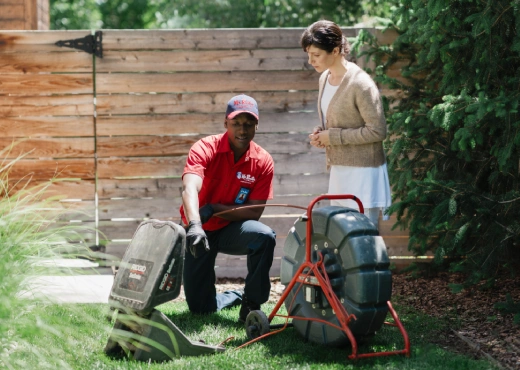
If your Saskatoon home was built before 1975, there's a good chance your main drain stack is cast iron. Cast iron was the standard for decades, and it lasts a long time, but it doesn't last forever. It corrodes from the inside out, so by the time you see rust stains on the outside of the pipe, the inside is often severely pitted and rough. That rough surface catches debris and slows flow, which leads to recurring clogs and toilet clogs. A camera inspection can show you what's happening inside the pipe, and that information helps you decide whether a cleaning will solve the problem or whether it's time to replace the section that's failing.
Clay Sewer Laterals in Older Neighbourhoods
Many older Saskatoon homes have clay sewer laterals connecting the house to the main sewer line in the street. A clay pipe was durable for its time, but the joints between sections can separate as the ground shifts and settles over the years. Once those joints open up, tree roots find their way in, and soil can infiltrate the line. You'll notice recurring backups, slow drains throughout the house, or soggy spots in the yard above the sewer line. A camera inspection shows us exactly where the problem is, and we can recommend whether spot repair, pipe lining, or full replacement makes the most sense for your situation.
Fats, Oils, and Grease in Kitchen Drains
One of the most common causes of kitchen sink clogs in Saskatoon homes is the disposal of fats, oils, and grease down the drain. When hot grease cools in your pipes, it solidifies and coats the inside of the line, catching food particles and building up over time. The City of Saskatoon specifically warns against this practice because it leads to both household clogs and municipal sewer system problems. Instead, pour grease into a container, let it solidify, and throw it in the garbage. This simple habit can prevent expensive drain cleaning services and protect your plumbing system.