You call with a drain problem. We ask specific questions about symptoms, the age of your home, your neighbourhood, and what you have tried already. This information tells us which equipment to bring and whether your issue likely stems from roots, minerals, or structural damage.
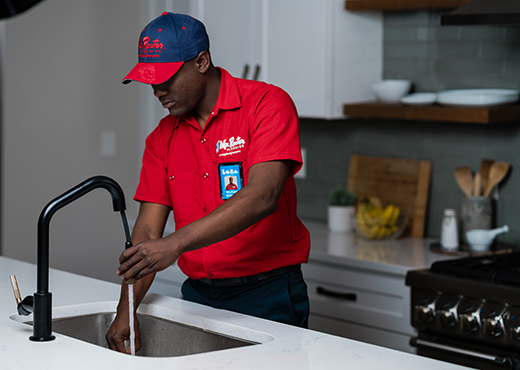
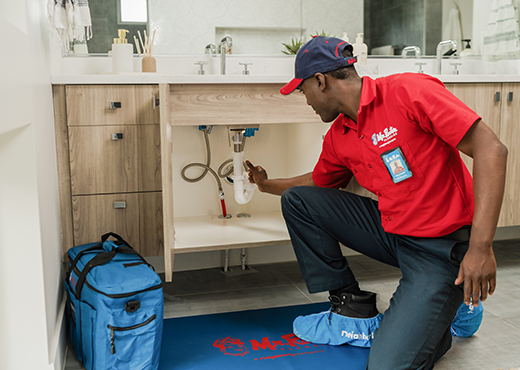
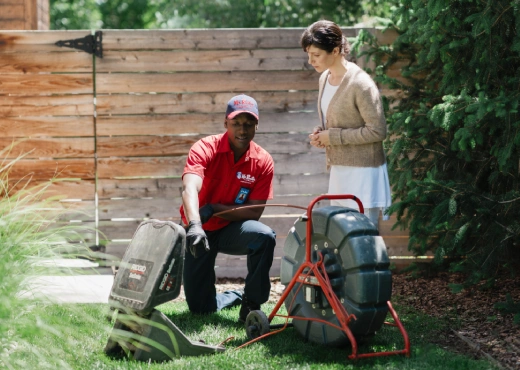
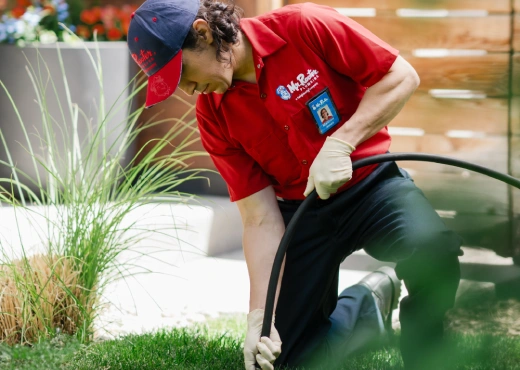
Your truck arrives with hydro-jetting equipment, camera inspection gear, snakes in multiple sizes, and protective equipment for sewage work. We assess your immediate problem first. If sewage is backing up, we stop the overflow and extract standing water. Your basement gets protected before we diagnose the cause.
Camera inspection shows us which blockages are in your drain and where they are. You watch the video feed as we explain what the camera reveals. Root masses appear as white tendrils filling the pipe. Mineral scale looks like thick white deposits narrowing the opening. Cracks show as dark lines with soil visible beyond the pipe wall.
We explain your options based on what the camera shows. Minor buildup gets cleared with hydro-jetting. A major root intrusion might require augering followed by jetting. Cracked pipes require repair or replacement. You receive upfront pricing before we proceed with any solution.
Inspection reveals why your drains clog repeatedly despite clearing attempts. Your Westboro home might have cast-iron pipes corroded thin after 60 years. Your Kanata home might have PVC joints separated by clay soil settling. You make repair decisions based on visual evidence rather than guesswork.
Hydro-jetting works best for Ottawa homes because it addresses hard-water mineral buildup that accumulates more quickly here than in soft-water regions. Your pipes collect calcium and magnesium deposits at 150-200 mg/L. After 40 years, these minerals can reduce pipe diameter by 30 percent. Jetting restores full flow capacity.
In older neighbourhoods, the plumbing in heritage homes is often a delicate network of cast iron and clay tiles that has been stressed by decades of Ottawa’s intense freeze-thaw cycles. Enzymatic cleaners provide a much safer alternative to chemical drain cleaners by using natural bacteria to digest organic clogs like grease and hair without causing corrosive damage or thermal stress. By opting for this gentler, bio-active approach, you protect the integrity of your historical infrastructure and avoid the high stakes of a preventable basement flood.
The cleaning process typically takes 2 to 4 hours, depending on the severity of the blockage and the length of the pipe. We test water flow after cleaning to confirm that full drainage capacity has returned. You receive a copy of the camera inspection video showing the before-and-after conditions. Call us today to learn more about our drain cleaning options.