All your home’s drains work with one function, and Mr. Rooter Plumbing of kelowna has seen nearly every issue affecting residential drains. Each drain can clog because of different causes, so you typically need a service professional to determine the best solution to your clog. Below are various explanations about drains in your home and why they develop clogs:
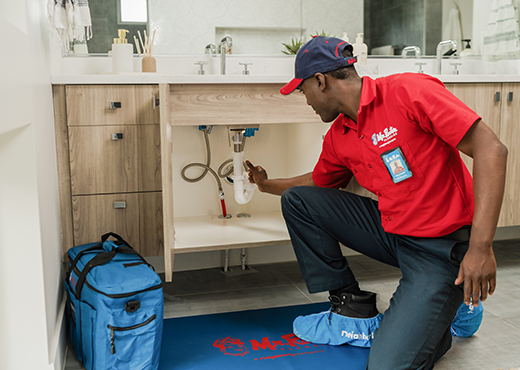
- Bathroom Drains – Soap, hair, and toothpaste are the most frequent bathroom drain clog causes. You can collect loose hairs in the shower before they go down the drain by installing simple drain covers. Another helpful practice is running hot water whenever brushing your teeth. The hot water prevents your toothpaste from hardening in your pipes.
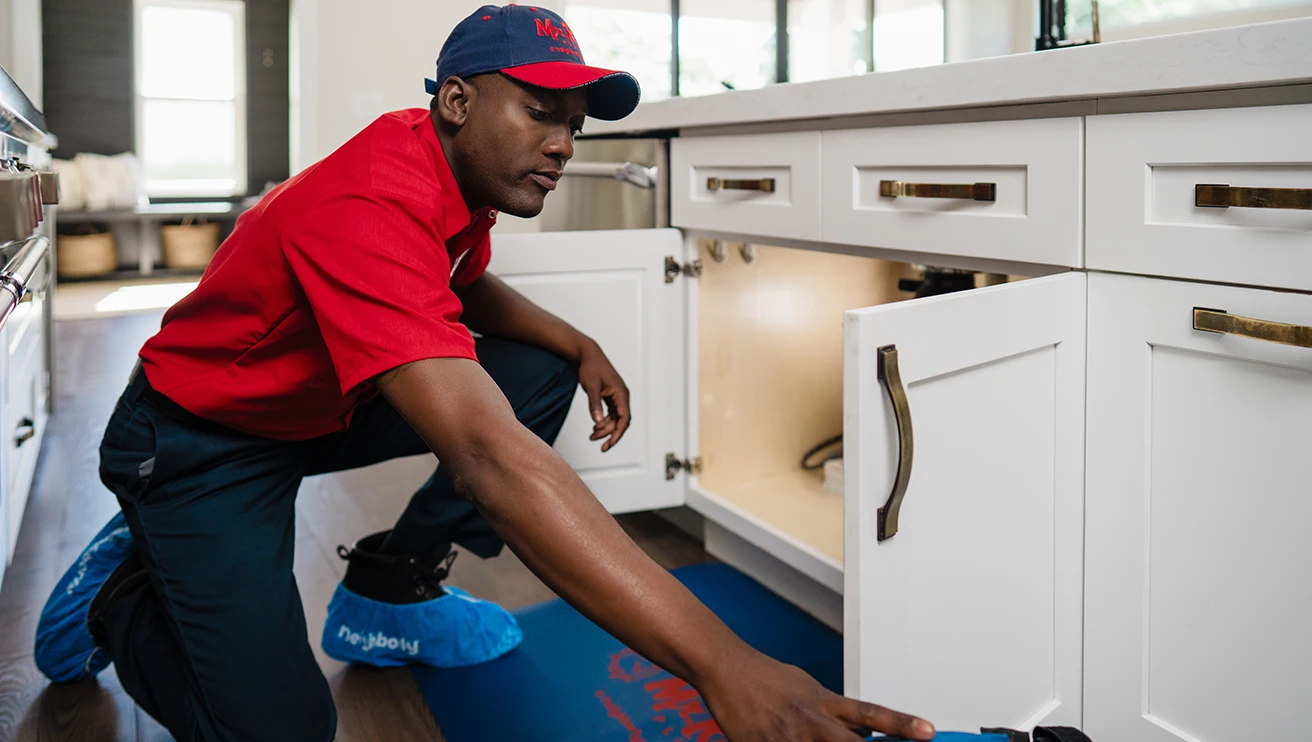
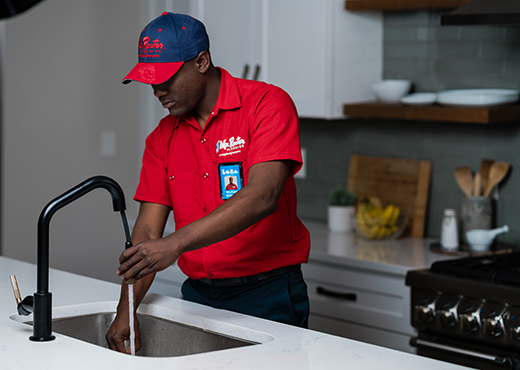
- Kitchen Drains – Grease, oil, and bits of food are the main kitchen drain clogs causes. When cleaning your dishes after breakfast, lunch, or dinner, these materials wash down your drain as you wash and rinse plates, cups, bowls, and silverware. Oil and grease are especially problematic since they harden on your pipe’s inner walls. It helps to have a garbage disposal, but you should still avoid washing certain foods down your drain, including meat, bones, and fibrous vegetables.
- Floor Drains – Leaves, dust, and dirt typically clog floor drains you find in basements, garages, and laundry rooms. Clogged floor drains can lead to floor damage. You don’t typically see these drains daily, but you need to ensure they get regular cleaning.
How Can I Clear a Clogged Drain?
Figuring out if your sink drains is one of the best beginning actions to identify a clog in your drain. If you have a drain clog, Mr. Rooter Plumbing of kelowna recommends trying the following simple ways to resolve it before contacting our service professionals:
- If there’s still some water movement in your drain, let it continue draining as you prepare a pot or kettle of hot water on your stove. Boiled water is highly effective at clearing clogs caused by oil and fats that harden in your pipes. After all, or most of the water drains from your sink, carefully pour hot water down its drain. Scheduling routine inspections and cleanings can help you keep your pipes draining effectively.
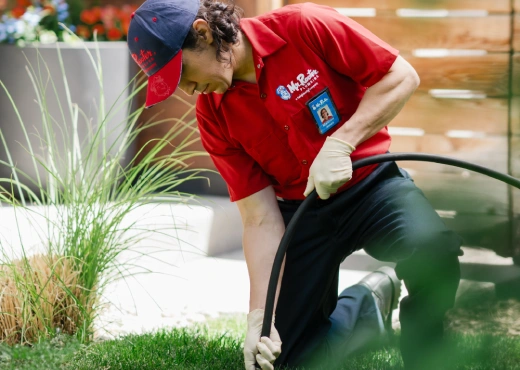
- Plungers and drain snakes are simple tools to get rid of clogs in a couple of simple steps. Sink plungers are smaller, making them easier to manage, so you can bring the clog close to your drain’s top using one. After plunging, you can use a drain snake to pull the clogged material out of your pipe. You should avoid flushing this material back down the pipe you cleared. Instead, we recommend throwing it away in your trash.
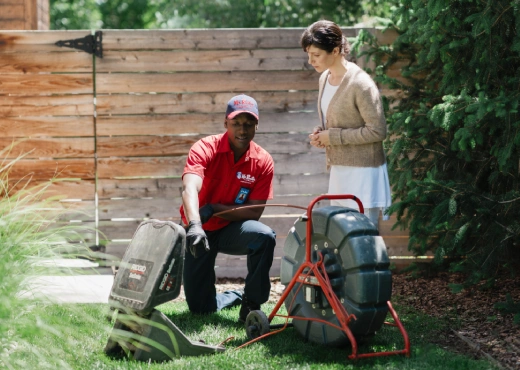
- A service professional is your next step if your clog won’t clear using the above methods. An average drain snake can’t pull out clogs too deep in your pipes, including tree roots blocking wastewater flow. This clog type calls for more extensive professional solutions.