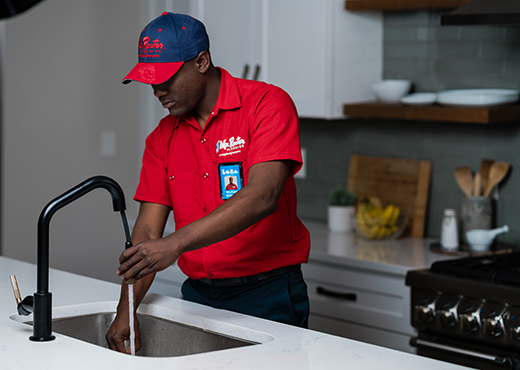
From emergency plumbing repairs to routine maintenance, your Bowmanville Mr. Rooter team handles the full range of plumbing services. We diagnose the real issue, explain what's happening in plain language, and give you options so you make the right decision for your home and your budget.
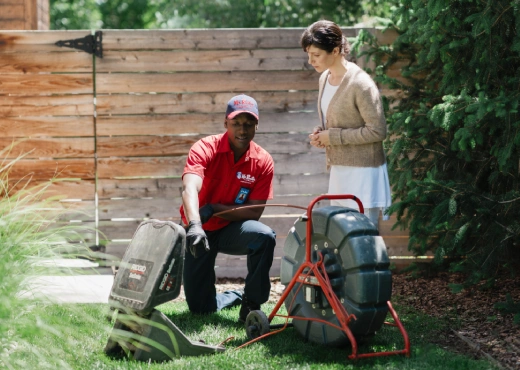
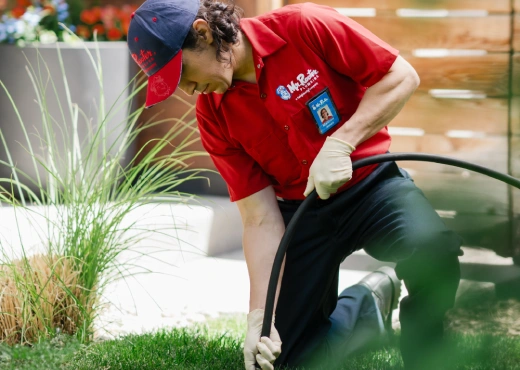
When your drains slow down or stop completely, the problem goes deeper than a surface clog. Hair, soap buildup, grease, and mineral deposits from hard water accumulate over time and restrict flow. In older Bowmanville homes, tree roots infiltrate clay or cast iron sewer lines and cause recurring backups. Roots from mature maples, willows, and poplars seek out moisture and nutrients. They work their way into any crack or joint in the pipe. Once inside, they spread and catch debris. What starts as a partial blockage becomes a full stoppage within months. Our licensed plumbers use professional drain cleaning methods, including HydroScrub® drain jetting and camera inspections, to clear clogged drains safely and completely without damaging your pipes. We show you what we find. You know what you're dealing with and how to prevent the problem from happening again.
Water heater problems leave you without hot showers, clean dishes, or laundry. They rarely give you much warning before they fail completely. Whether you need water heater installation, water heater repairs, or a tankless water heater upgrade, our plumbers assess the issue on-site and walk you through your options. If your water heater is leaking, the leak is almost always at the bottom of the tank where corrosion has eaten through the steel. The tank needs replacement, not repair. If the unit is making popping, rumbling, or banging sounds, sediment buildup at the bottom of the tank creates steam pockets as the burner or heating element cycles on. In Bowmanville's moderately hard water at 125 mg/L, sediment accumulates faster than in soft water areas. A 50-gallon tank collects several inches of hardened scale in a few years if nobody flushes the unit. If your hot water runs out faster than before, or if you're seeing rusty or discoloured hot water, the tank is corroding internally. Our plumbers check the age and condition of the unit, test the pressure relief valve and anode rod if accessible, and explain whether a same-day replacement, a tankless upgrade, or in rare cases a component repair makes the most sense for your situation.
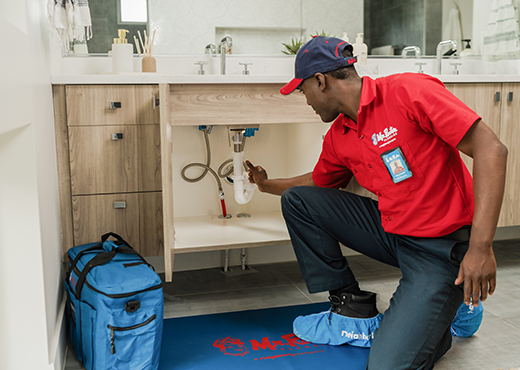
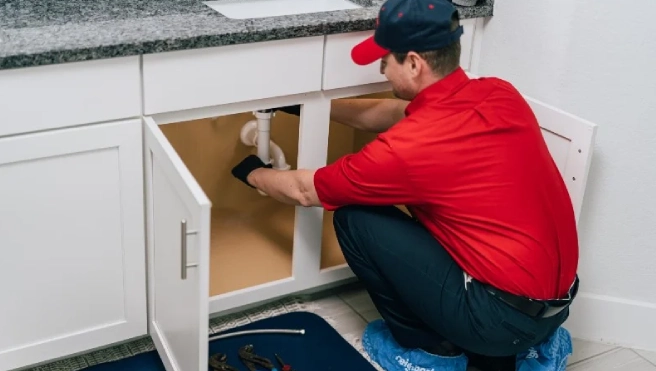
Leaky faucets, running toilets, overflowing toilets, burst pipes, sewer line repair, sump pump failures, pipe repairs, and faucet installation are all part of what we do every day. You get a plumber who arrives on time, wears shoe covers, protects your floors, and cleans up before leaving. If the problem is a plumbing emergency, we're available 24/7 because plumbing problems don't wait for business hours.
Need plumbing repairs, drain cleaning, or emergency plumbing services in Bowmanville? Contact us now or request an estimate online.
Common Plumbing Problems We See in Bowmanville Homes
Every plumbing system ages differently depending on when the home was built, what materials were used, and how the home has been maintained over the years. Here's what we see most often in Bowmanville, based on decades of service calls across Courtice, Clarington, and the surrounding area.
Older Homes Built Before 1975: Cast Iron Drains and Galvanized Supply Lines
If your Bowmanville home was built in the 1950s, 1960s, or early 1970s, the main drain stack is likely cast iron, and the cold water supply lines are galvanized steel. Cast iron was the standard for decades because the material is quiet and durable. After 50 to 70 years, the pipe corrodes from the inside out. You'll notice rust-coloured water backing up into the basement floor drain, or slow drainage throughout the house, even after snaking. When we camera inspect these lines, we often find the bottom of the stack has thinned to the point where roots or debris punch through easily. Galvanized supply lines rust and narrow over time. Water pressure drops. Tap water gets a metallic taste or brown tint. If you're in an older Bowmanville neighbourhood and you haven't had a plumbing inspection in 10 years, schedule one before a small issue becomes an emergency replacement.
Homes Built 1975 to 2000: ABS and Copper with Aging Water Heaters
Homes from this era typically have ABS plastic drains and copper supply lines. Both hold up well in Bowmanville's climate. The most common issue we see is water heater failure between year 10 and year 15, especially in homes with Bowmanville's moderately hard water at 125 mg/L. Sediment builds up at the bottom of the tank. If the water heater has never been flushed, the sediment layer insulates the burner or element from the water. The unit works harder and fails sooner. You'll hear popping or rumbling sounds as steam bubbles force their way through the sediment. By the time homeowners call us, the tank is often leaking at the base or the pressure relief valve is dripping constantly. A pro tip: if your water heater is over 10 years old and you've never flushed the unit, don't try flushing now without a plumber present. Disturbing old sediment cracks internal components or dislodges scale and clogs the drain valve.
Newer Homes Built After 2000: PEX Plumbing Systems and Sump Pump Dependency
Newer construction in Bowmanville typically uses PEX for supply lines and PVC for drains. Both are reliable and freeze-resistant when installed correctly. The challenge we see most often in newer homes is related to lot grading and foundation drainage. Many newer subdivisions in Bowmanville and Clarington have higher water tables or clay-heavy soil. Foundation weeping tiles drain into a sump pit, and the sump pump runs frequently during spring melt and heavy rain. If the sump pump fails or loses power, the basement floods in hours and causes significant water damage. We also see issues with backwater valves and backflow prevention devices installed during construction but never tested or maintained. A backwater valve prevents sewer backups during heavy rain. If the flapper gets stuck open or debris blocks the valve, the valve won't close when you need protection. If you're in a newer Bowmanville home, test your sump pump twice a year and have a licensed plumber inspect your backwater valve every few years.
Winter-Specific Issues Across All Home Types: Frozen Pipes and Burst Pipes
Durham Region winters are hard on plumbing. Bowmanville is no exception. The coldest nights in January and February drop below minus 20 Celsius. We get the most calls for frozen pipes during these periods. The most vulnerable spots are exterior hose bibs that nobody winterized, supply lines in unheated crawl spaces or attached garages, and pipes running along exterior walls with poor insulation. If you turn on a faucet and only a trickle comes out, or nothing at all, the line is likely frozen. Do not use a torch or open flame to thaw the pipe. Call a plumber immediately. Frozen pipes burst as they thaw. A burst pipe in a wall or ceiling causes thousands of dollars in water damage before you even realize the pipe is leaking. A simple prevention step works in Bowmanville: before the first hard freeze, shut off the interior valve feeding each outdoor faucet, open the outdoor faucet to drain the line, and leave the faucet open all winter.
What to Expect When You Call Mr. Rooter Plumbing in Bowmanville
If you've never hired a plumber before, or if you've had a bad experience with a different plumbing company, you might be wondering what happens when you call us. Here's how a typical service call works from start to finish.
Step 1: You Describe the Problem, We Ask the Right Questions
When you call or request service online, we'll ask a few questions to understand what's happening. Is water actively leaking right now, or is the problem a slow drip? Are multiple fixtures affected, or only one? Have you noticed any changes in water pressure, unusual sounds, or smells? These details help us send the right equipment and arrive prepared. If the problem is an emergency like a sewer backup or burst pipe, we'll also walk you through immediate steps you take to minimize water damage while we're on the way. Shut off the main water valve or avoid drain use.
Step 2: On-Site Assessment and Diagnosis
When we arrive at your Bowmanville home, we'll introduce ourselves, put on shoe covers, and take a look at the problem area. For a visible issue like a leaking faucet or running toilet, diagnosis is usually quick. For hidden issues like a sewer line blockage or a leak inside a wall, we need to use a drain camera, moisture meter, or pressure test to pinpoint the cause. Camera inspections let us see the inside condition of your pipes without digging or demolition. This saves time and keeps costs down. We'll explain what we're doing and what we're looking for, and we'll show you what we find. If we pull a clog out of your drain or camera-inspect a cracked pipe, we'll walk you through the footage or show you the debris so you understand exactly what failed and why.
Step 3: Clear Explanation and Upfront Pricing
Once we know what's wrong, we'll explain your options in plain language. If the problem is a straightforward repair, we'll tell you what needs to be replaced or adjusted and give you a flat-rate price before we start. If there are multiple ways to solve the problem, like repairing a section of pipe versus replacing the whole run, we'll explain the pros and cons of each approach so you make an informed decision. You'll never be surprised by the cost, and you'll never be pressured into a solution for your home or your budget.
Step 4: The Repair, Done Right
After you approve the work, we get started. We'll protect your floors and work area, complete the repair using quality parts and materials, and test everything to make sure the repair is working correctly before we call the job done. For drain cleaning, we run water and check the flow. For a leak repair, we pressurize the line and check for drips. For a fixture installation, we test hot and cold water, check for leaks at connections, and make sure drainage is working as needed. If we need to cut into drywall or access a pipe behind a wall, we'll make the opening as small as possible and explain what's involved in closing the opening back up. This is something we handle or something you'll coordinate with a handyman or contractor after the plumbing work is done.
Step 5: Cleanup, Testing, and Maintenance Advice
Before we leave, we'll clean up the work area, test the repair one more time, and walk you through what we did. We'll also give you maintenance advice to help prevent the same issue from happening again. If we cleared a drain clog caused by grease buildup, we'll explain how to dispose of cooking fats properly. If we replaced a water heater, we'll show you where the shutoff valve and pressure relief valve are and explain how to recognize early warning signs of trouble. If we repaired a frozen pipe, we'll point out where insulation or heat tape prevents a repeat next winter. You'll leave with a clear understanding of what was fixed, what to watch for, and when to call us back for routine maintenance or if something doesn't feel right.
Preventive Plumbing Maintenance for Bowmanville Homeowners
Most plumbing emergencies don't happen suddenly. They're the result of small issues ignored for months or years until something finally breaks. Here's a simple maintenance checklist for Bowmanville homeowners to avoid expensive repairs and keep plumbing systems running smoothly.
Every Fall Before the First Freeze
- Shut off the interior valve feeding each outdoor hose bib, open the outdoor faucet to drain the line, and leave the faucet open all winter.
- Disconnect and store garden hoses so water doesn't freeze inside the faucet.
- If you have an unheated crawl space, garage, or exterior wall with plumbing, check pipes for insulation or consider adding heat tape in vulnerable areas.
- Test your sump pump by pouring a bucket of water into the pit and confirming the pump turns on and discharges properly.
Twice a Year (Spring and Fall)
- Check under sinks, around toilets, and near your water heater for any signs of moisture, rust, or water stains.
- Run water in rarely used drains (basement floor drain, guest bathroom, laundry sink) to keep the trap full and prevent sewer gas odors.
- Inspect visible supply lines and shutoff valves for corrosion or leaks, especially if your home has older galvanized or copper piping.
- If you have a backwater valve, have a licensed plumber inspect the valve to make sure the flapper moves freely and seals properly.
Once a Year
- Flush your water heater to remove sediment buildup. In Bowmanville's moderately hard water, this step extends the life of your tank and keeps the unit running efficiently. If your water heater is over 10 years old and has never been flushed, call a plumber first. Disturbing old sediment causes more problems than flushing solves.
- Have a licensed plumber inspect your main sewer cleanout and test drain flow, especially if you live in an older home with cast iron or clay tile sewer lines.
- Check your water pressure at an outdoor faucet using an inexpensive pressure gauge. Bowmanville's municipal water pressure is generally stable. If you're seeing pressure over 80 PSI, you need a pressure reducing valve to protect fixtures and appliances.
Every 3 to 5 Years
- Schedule a full plumbing inspection, especially if your home is over 30 years old. A licensed plumber will camera-inspect your sewer lateral, check for hidden leaks, test your main shutoff valve, and identify issues before they become emergencies.
If you're not sure where to start or if you'd like help with any of these tasks, contact us, and we'll walk you through what makes sense for your home and your plumbing system's age and condition.