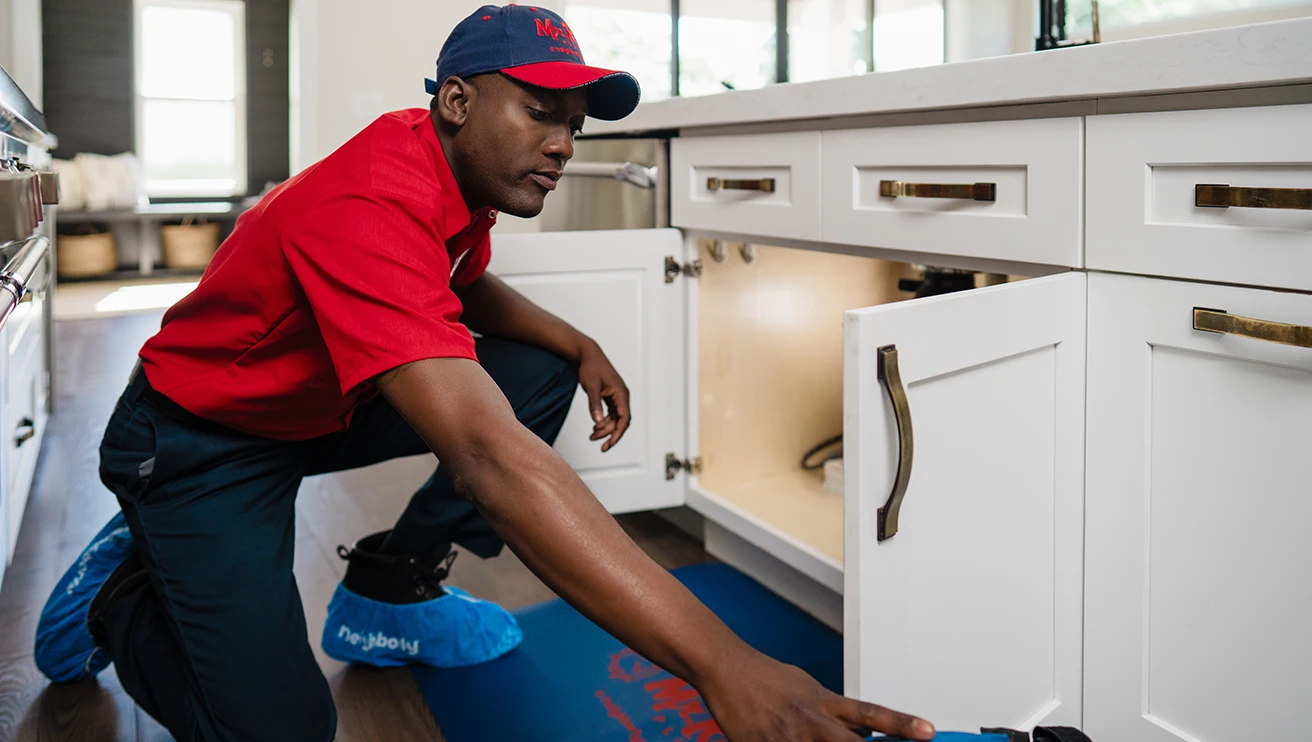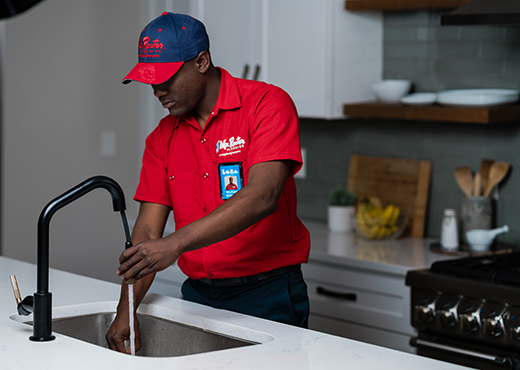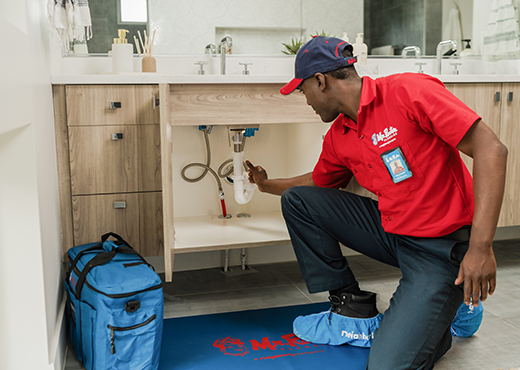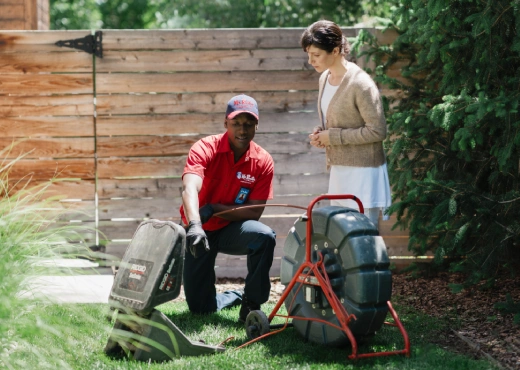
If you have more than one drain clog, it could indicate a bugger plumbing problem. Multiple clogged drains at once, or the combination of a clogged toilet and clogged sink drain, could indicate a sewer system backup. Repeated or frequent clogged drains might also indicate a broken sewer line or a sewer pipe leak. When you call us for residential clogged drain service, we'll perform a plumbing video camera inspection and diagnosis. This allows us to determine the cause of your clogged drains and the best solution. We can also help you prevent future drain clogs with preventive plumbing maintenance. Our Advantage Plan makes scheduling inspections, drain cleaning, and hydrojetting services easy, so you're less likely to get clogged drains.
Learn How to Use Drain Clog Remover Correctly
You can try clearing a residential clogged drain using a plunger or drain clog remover. Call us to clear a drain clog if these methods don't work. When using drain clog remover, follow the instructions on the package carefully. Don't use drain clog remover on a drain with standing water, on a garbage disposal, or on the toilet, bathtub, or shower drains. You can safely use drain clog remover on a clogged sink drain. Consider wearing safety goggles and gloves to prevent skin irritation and burns. Pour the drain clog remover into the drain and let it sit for at least 30 minutes. You should flush the drain continuously with hot water for at least 15 minutes. Some drain openers are meant to be used on your pipes overnight.